ANNABEL RESTAURANT
Interior Design that Flows Between Architecture, Landscape & Experience
A Beach House Transformed into a Mediterranean Restaurant
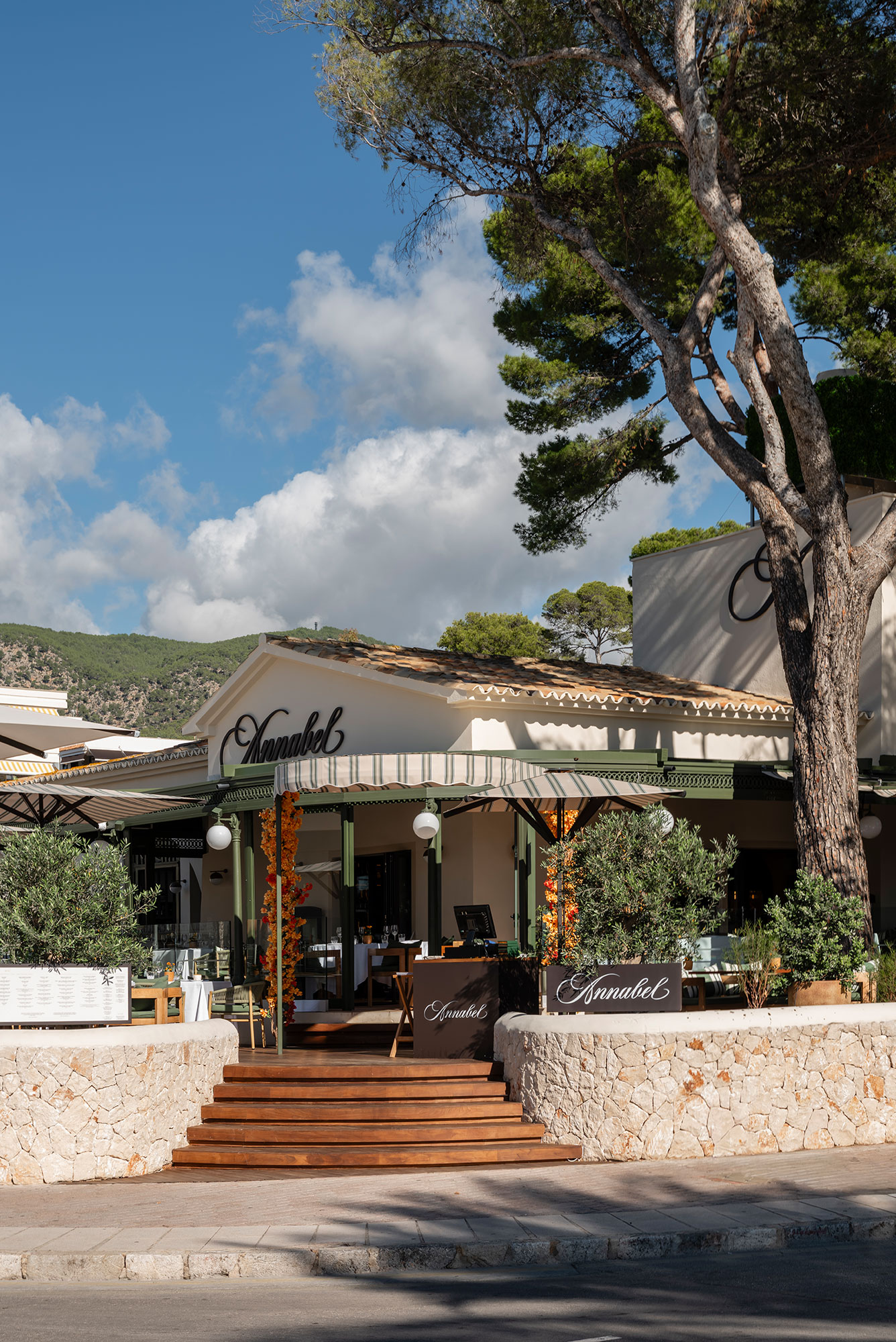
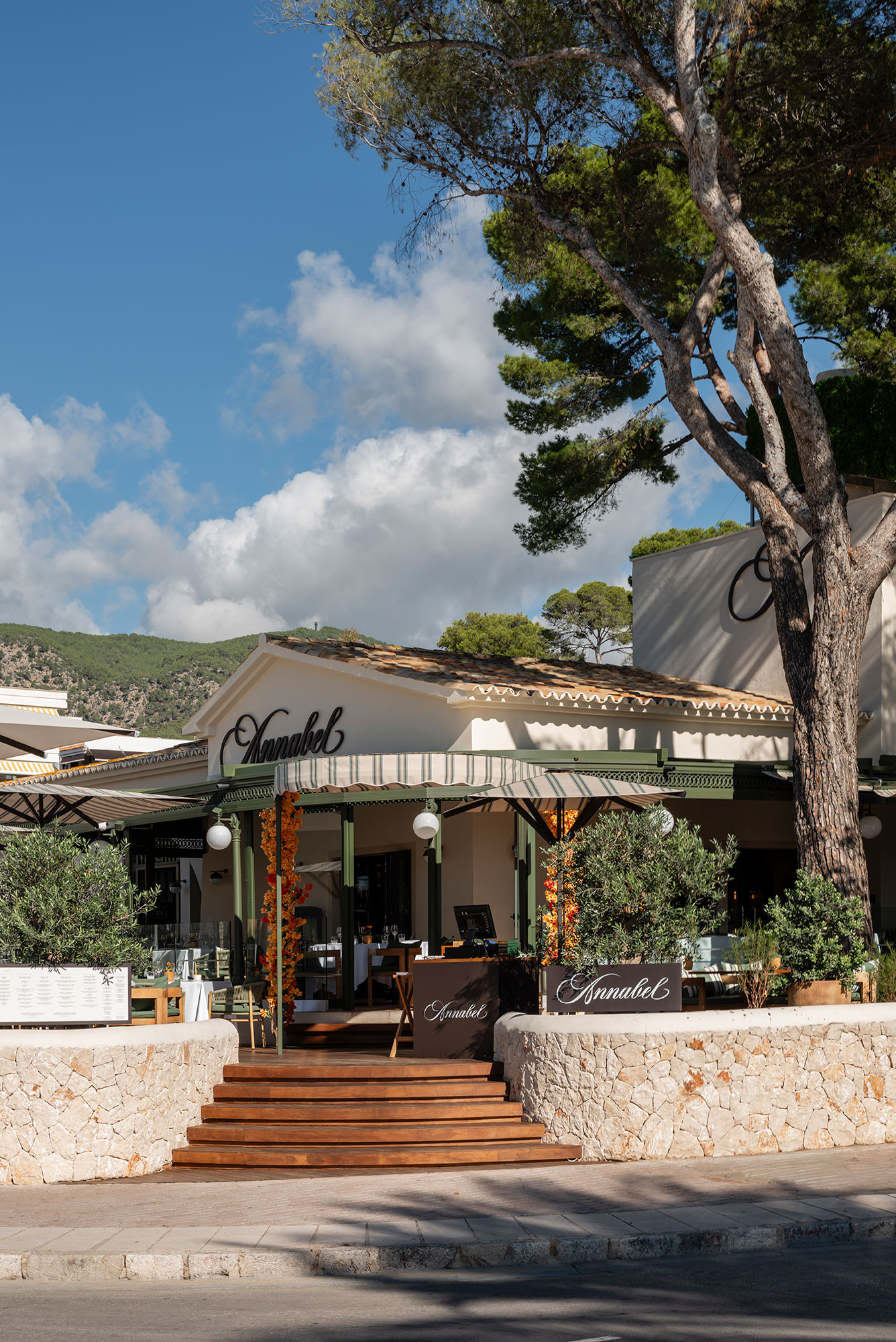
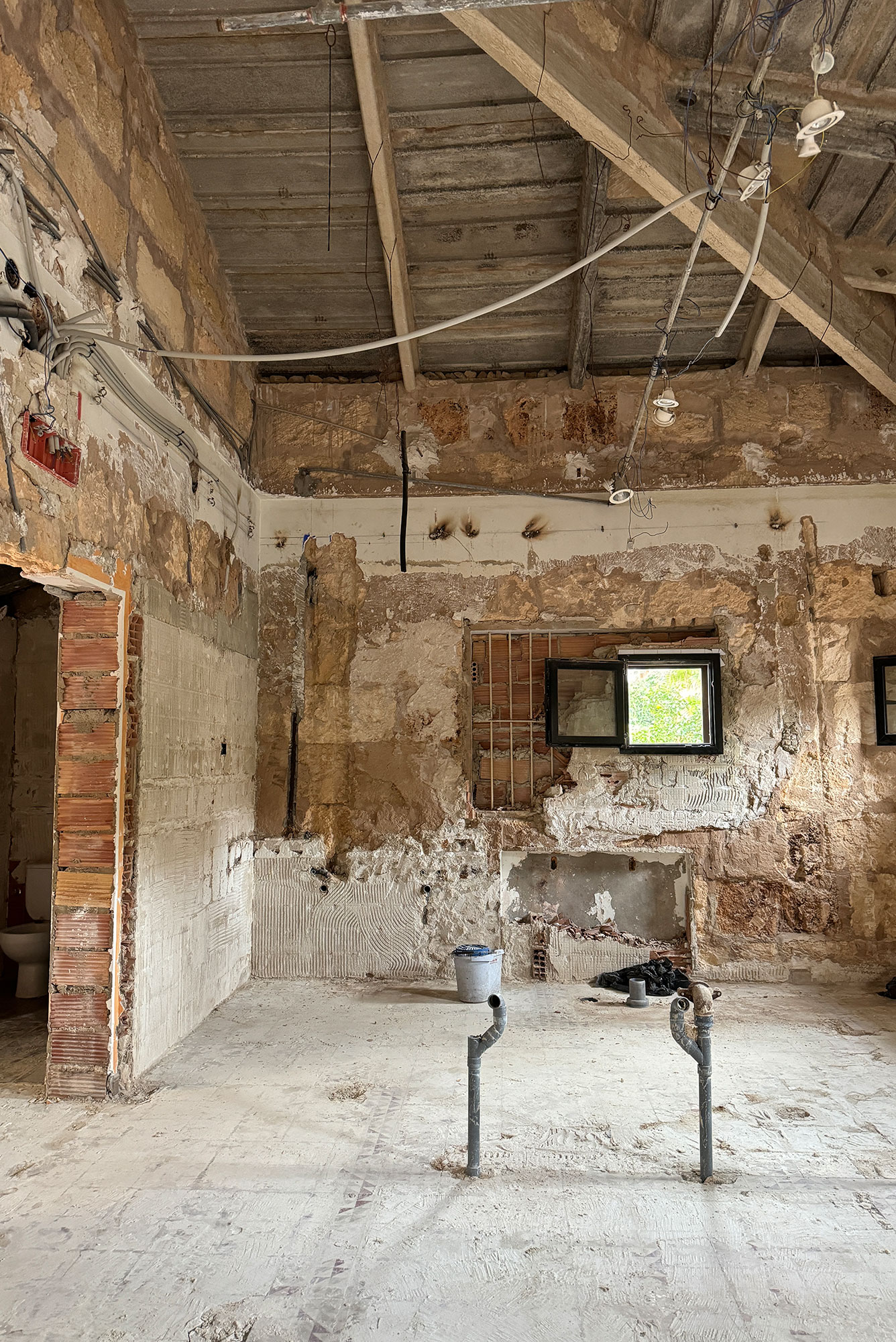
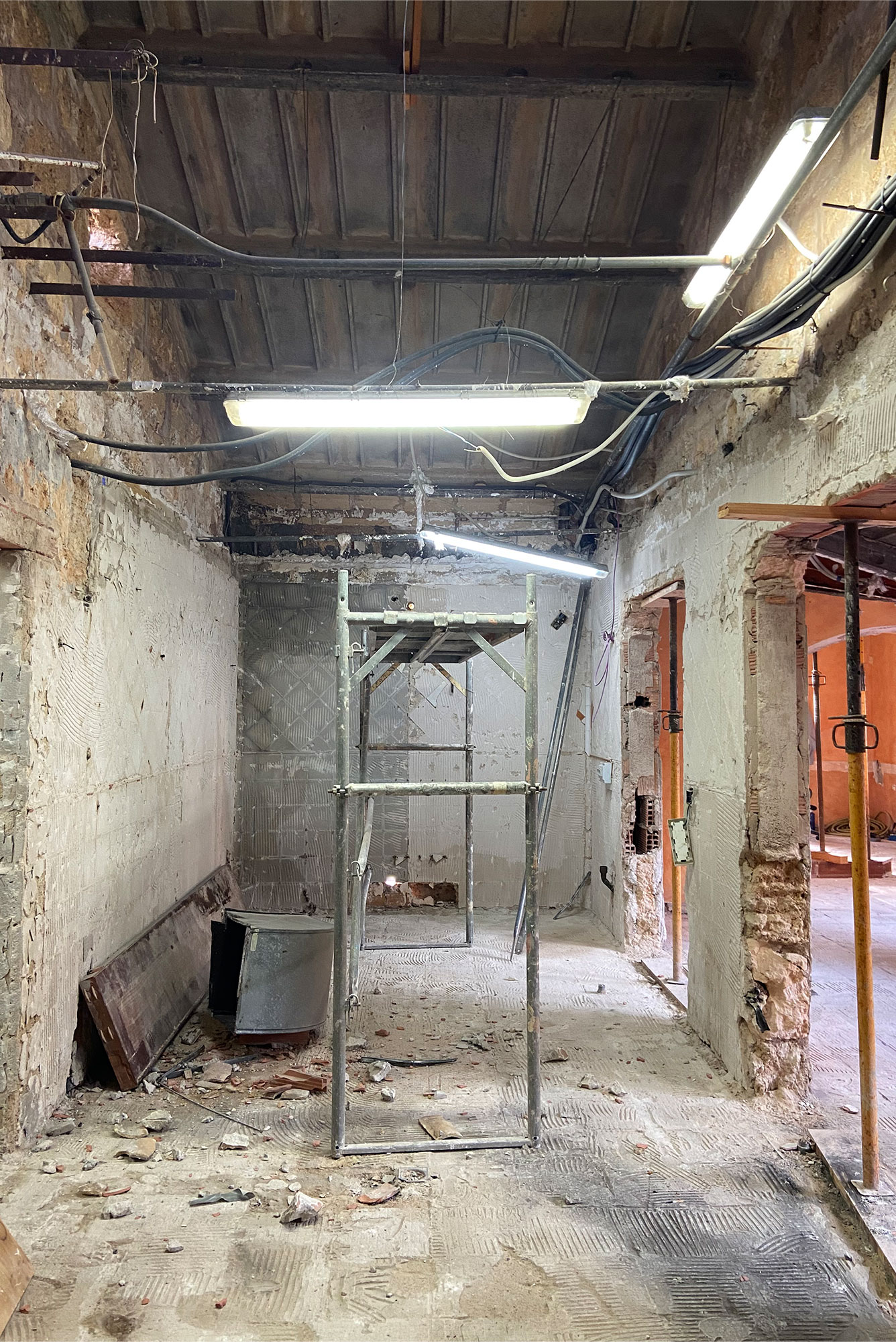
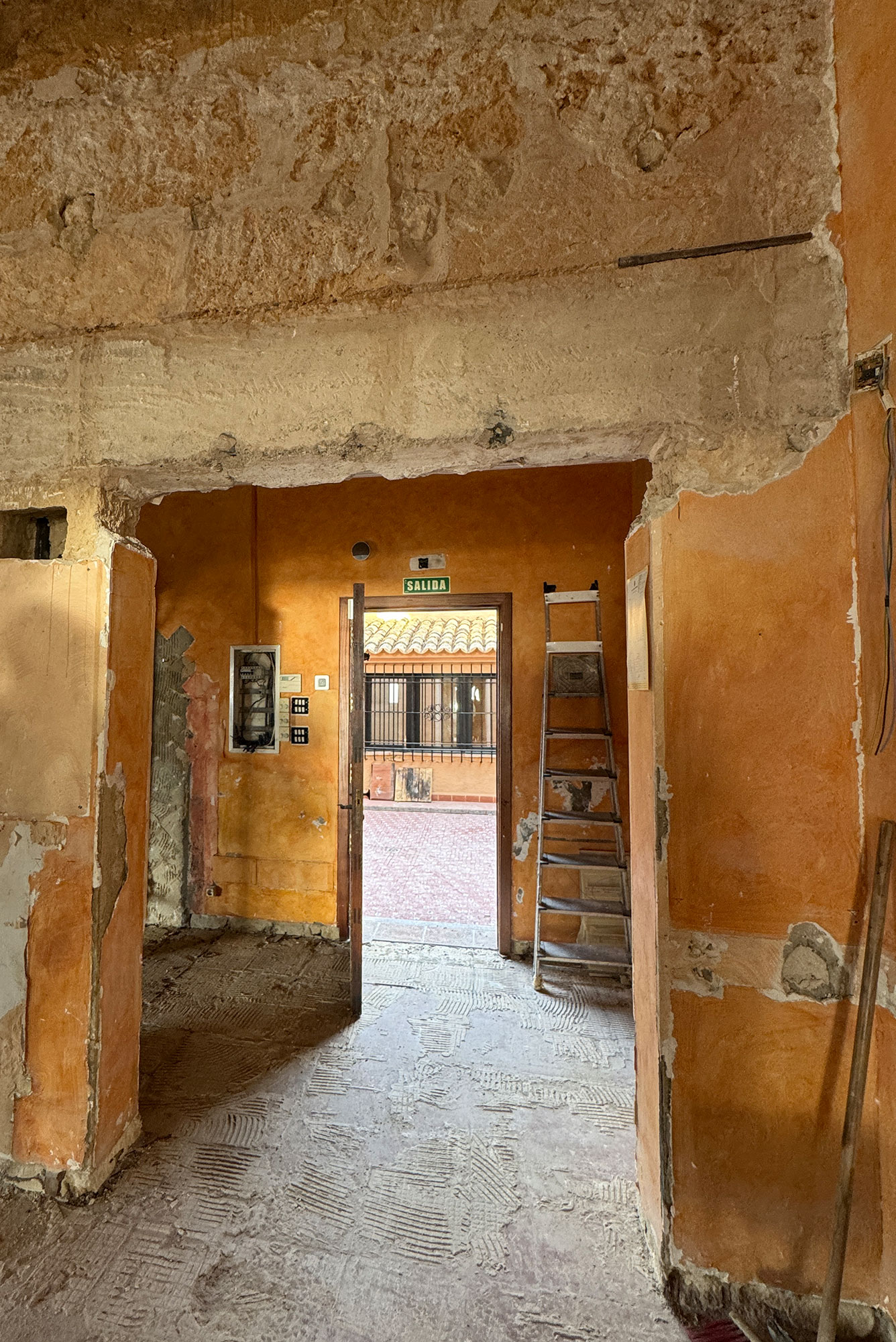
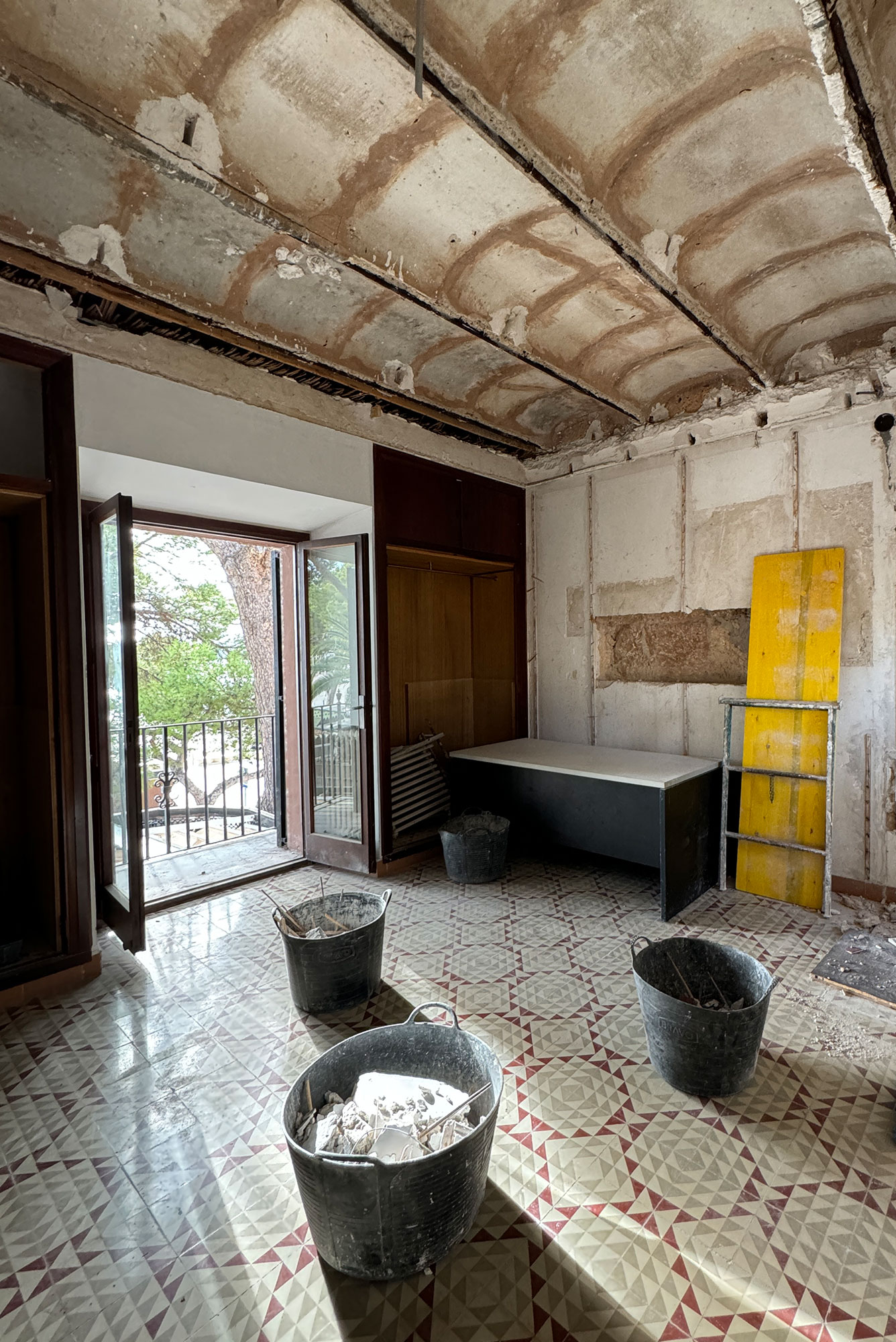
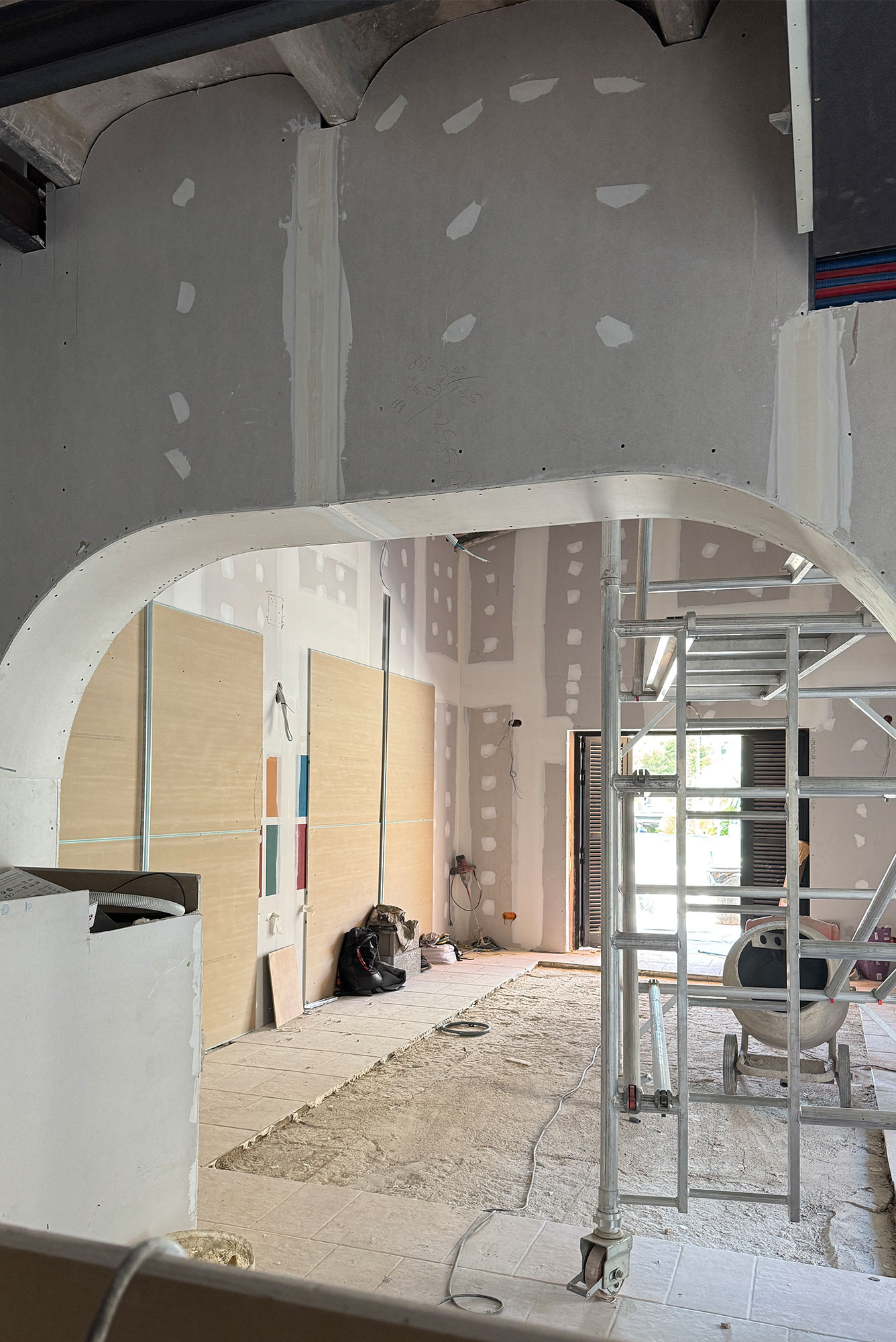
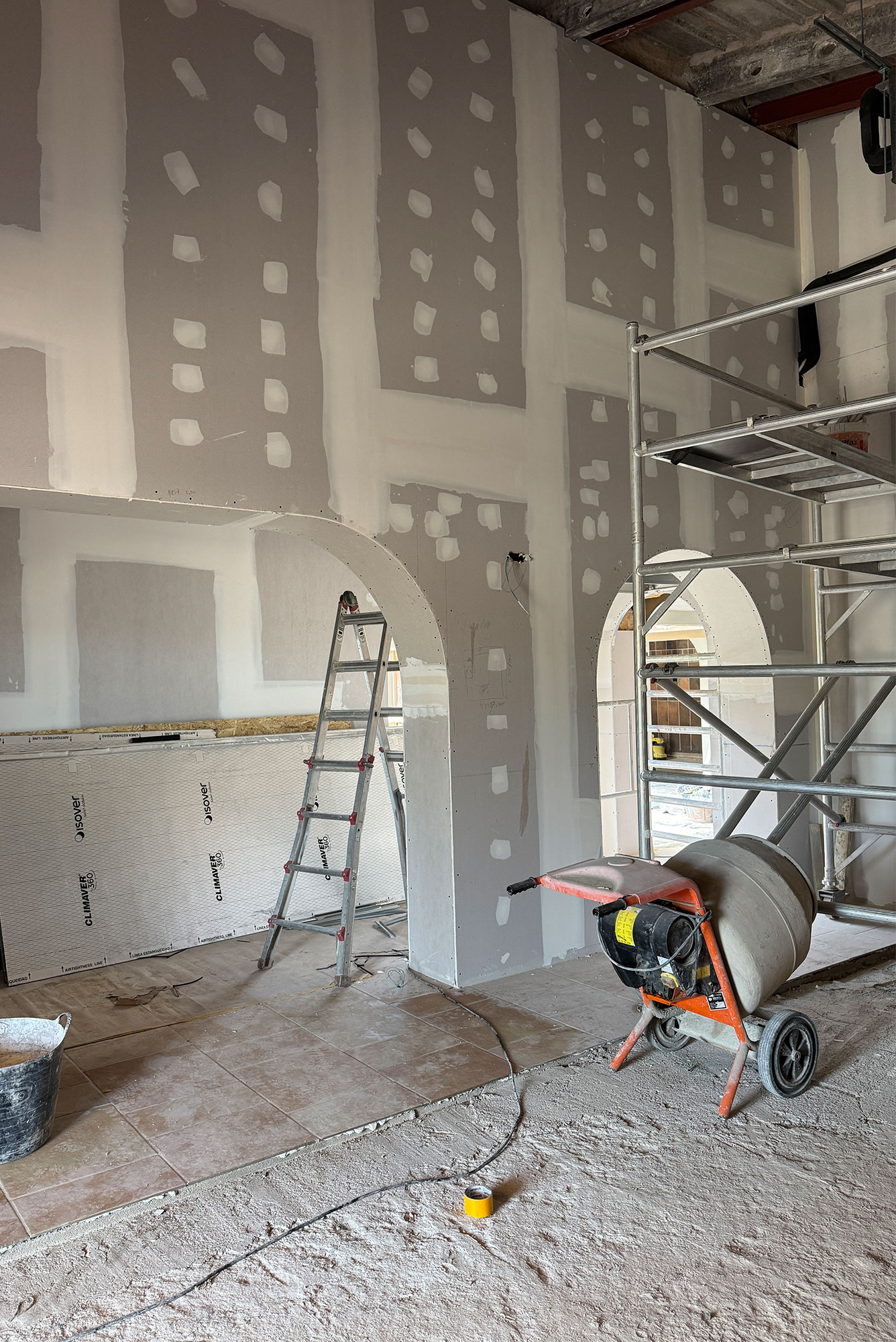
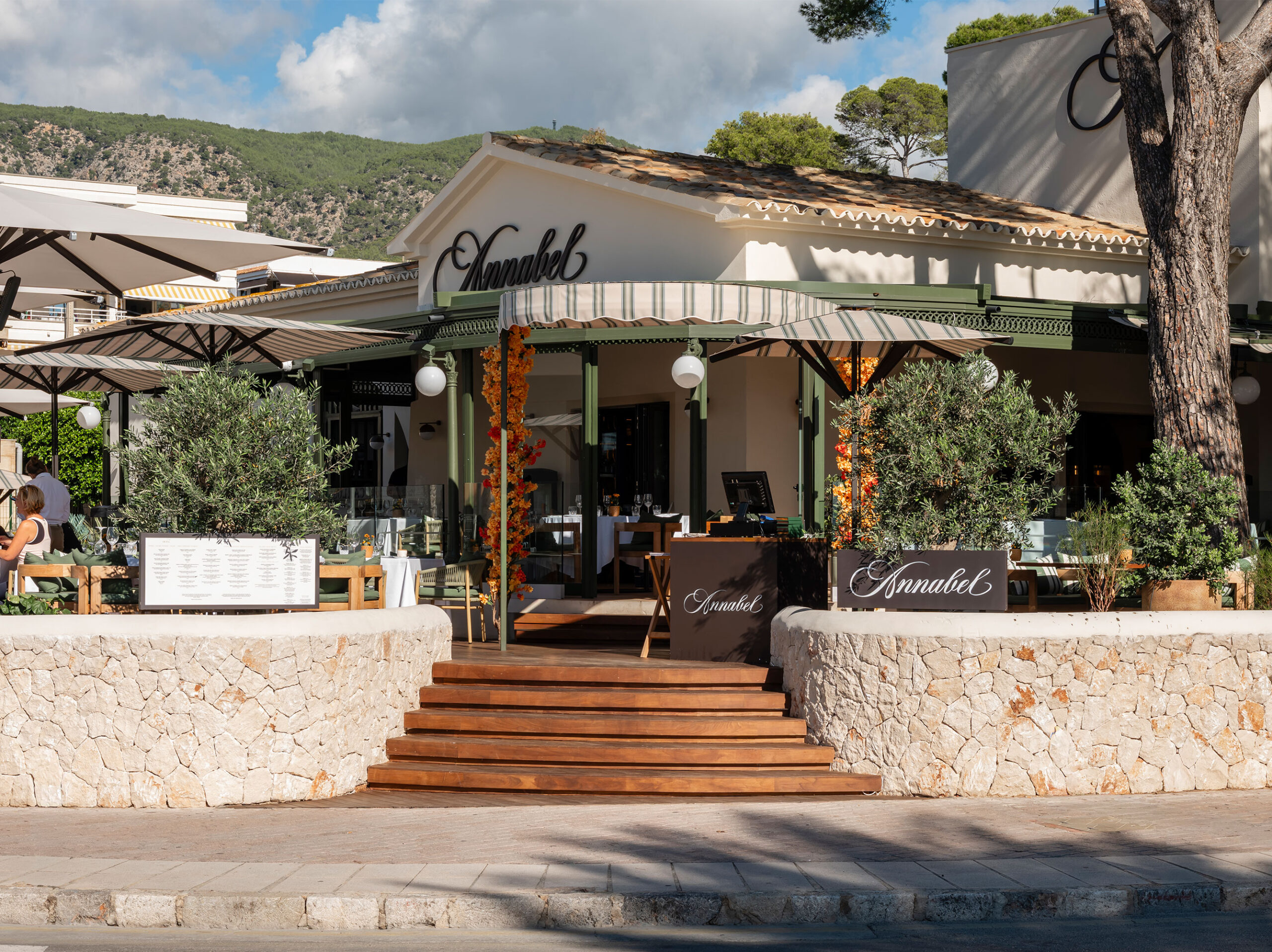
Located on the beachfront, Annabel is a Mediterranean restaurant conceived to capture the essence of the surrounding landscape. The project begins with an existing structure, a former private residence transformed into a restaurant, and proposes an intervention that respects the building’s history, preserving original elements such as the curved forms of the main facade.
Program
Interior Design
Location
Palmanova, ES
Size
244 m²
Year
2025
Client
Grupo Pajarita
Interior Design
Team
Guillermo Reynés, Xenia Dimoka, Klaudia Sandecka, Ricardo Garcia Suescún, Naomi Nicolau, Graziana Disanto
Engineering
Climaes
Construction
Expertos Calvià SLU
Photography
Tomeu Canyellas, Annabel
Architecture as Continuity & Purpose
The starting point of the project was to maintain the existing structure. The project also aimed to strengthen its architectural character. It would do so through an intervention that engages with the Mediterranean identity of its setting. Shaped by visual integration, culinary excellence and a complete sensory experience, the client’s vision defined an ambitious program with distinct areas dedicated to cuisine, cocktails and wine, both indoors and outdoors.
Opening to the landscape, connecting with the city
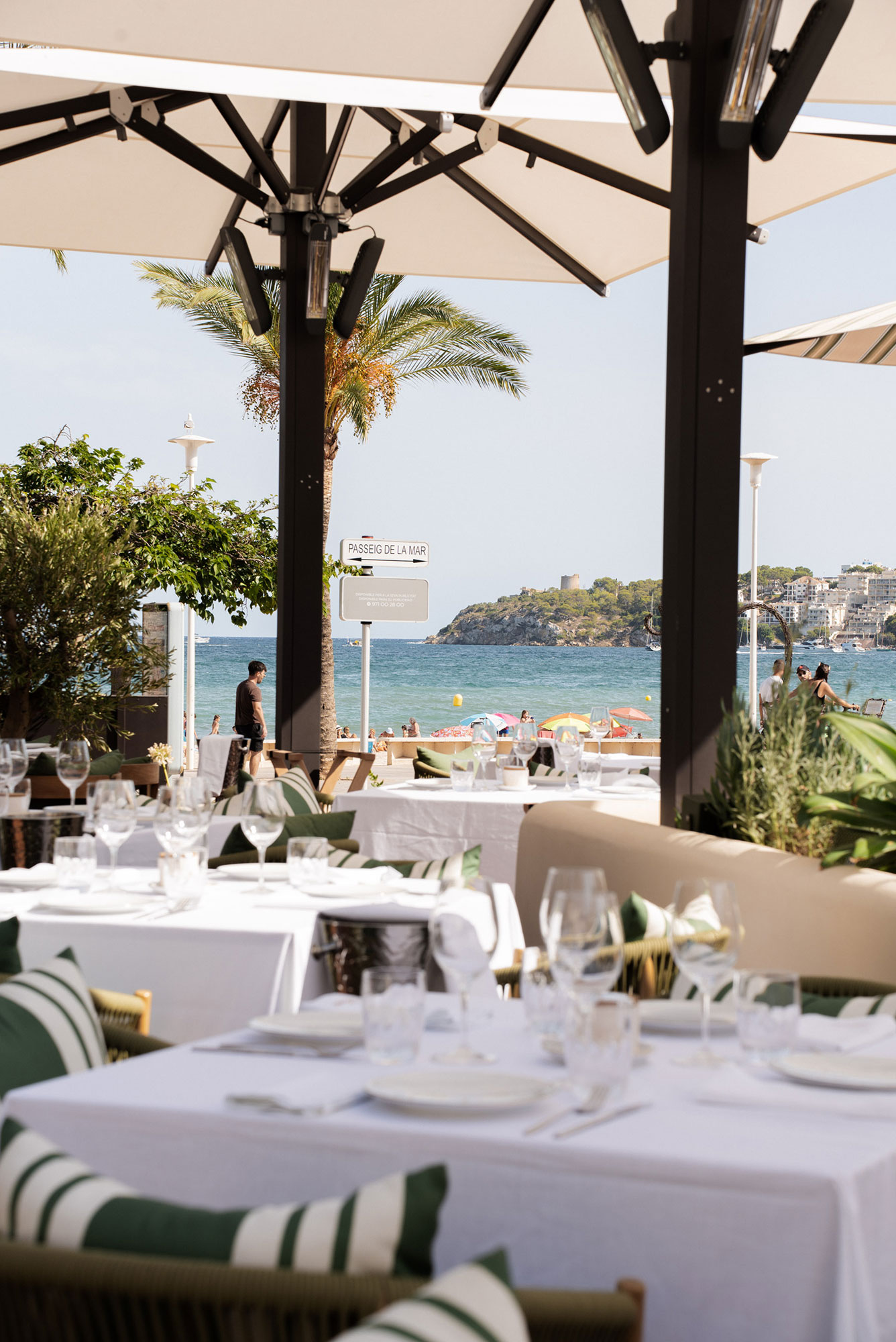
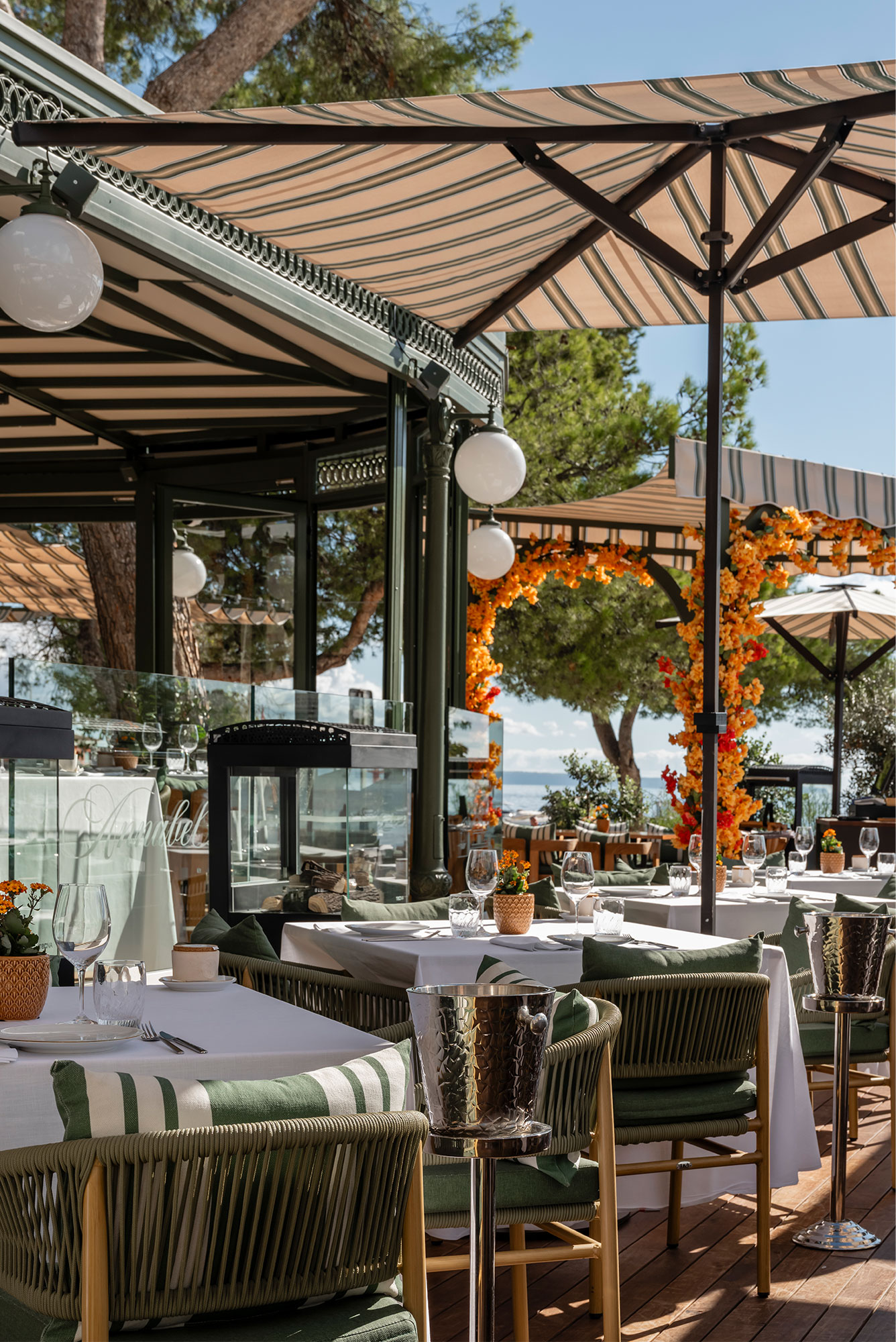
From the entrance, visitors perceive a seamless spatial continuity between interior and exterior. The design makes the most of the sea views and the site’s orientation, creating a clear path through a series of open spaces and terraces that lead to the restaurant. The outdoor terrace is divided into three levels, allowing for the space to be naturally divided according to degrees of privacy and use. Two pedestrian entrances, one from the seaside promenade and another from the main avenue, connect the restaurant with both the city and the sea, integrating it into the urban fabric.
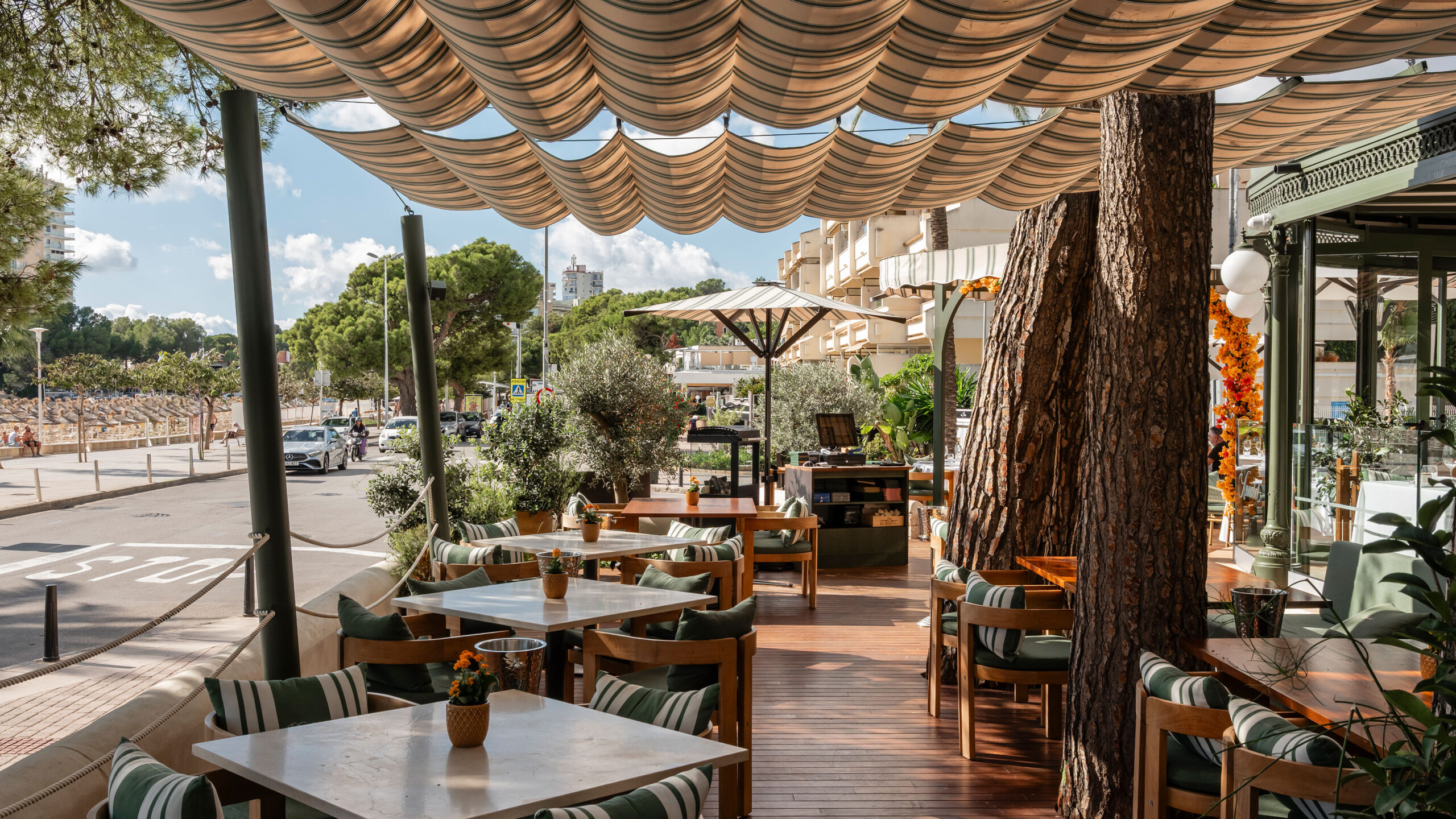
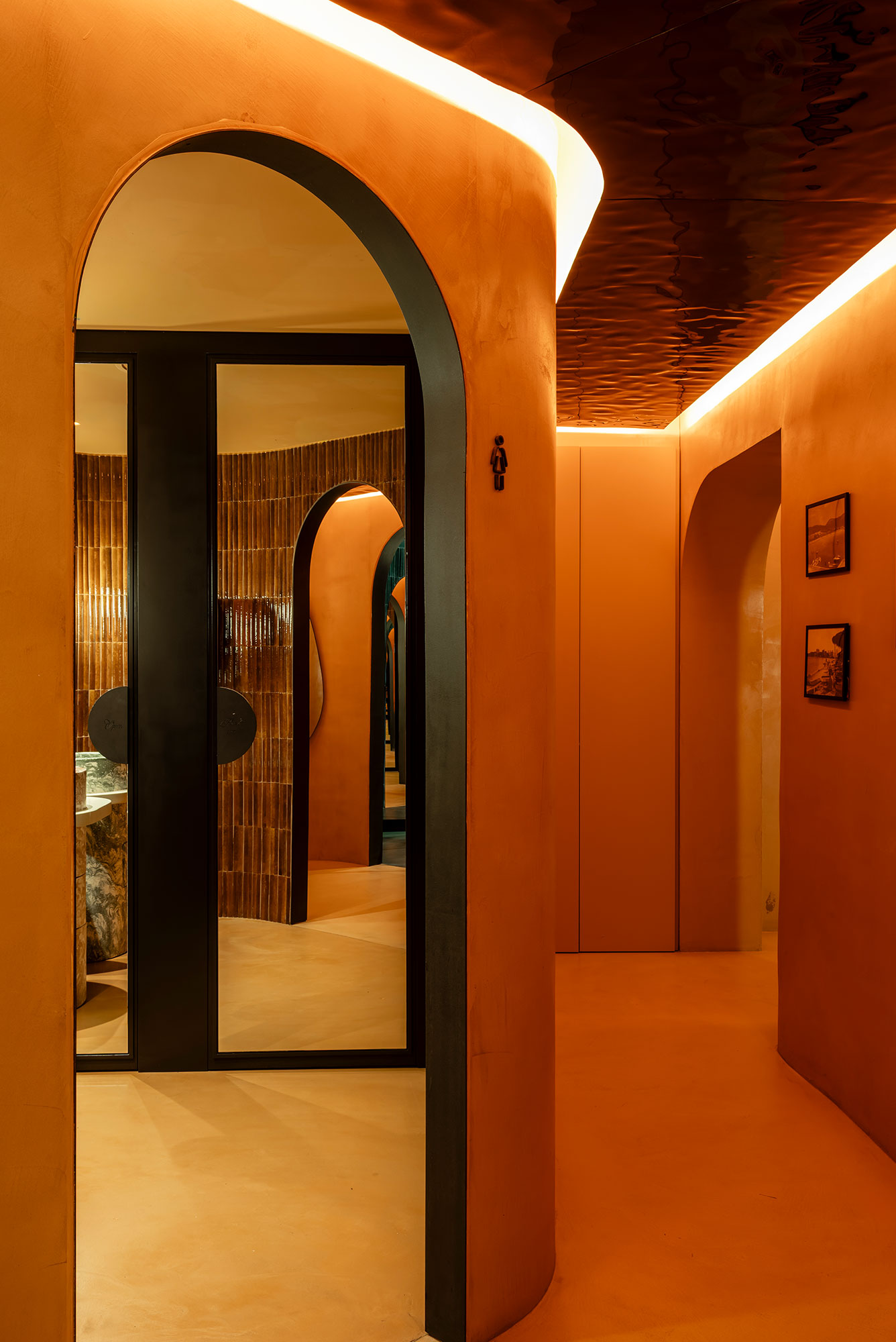
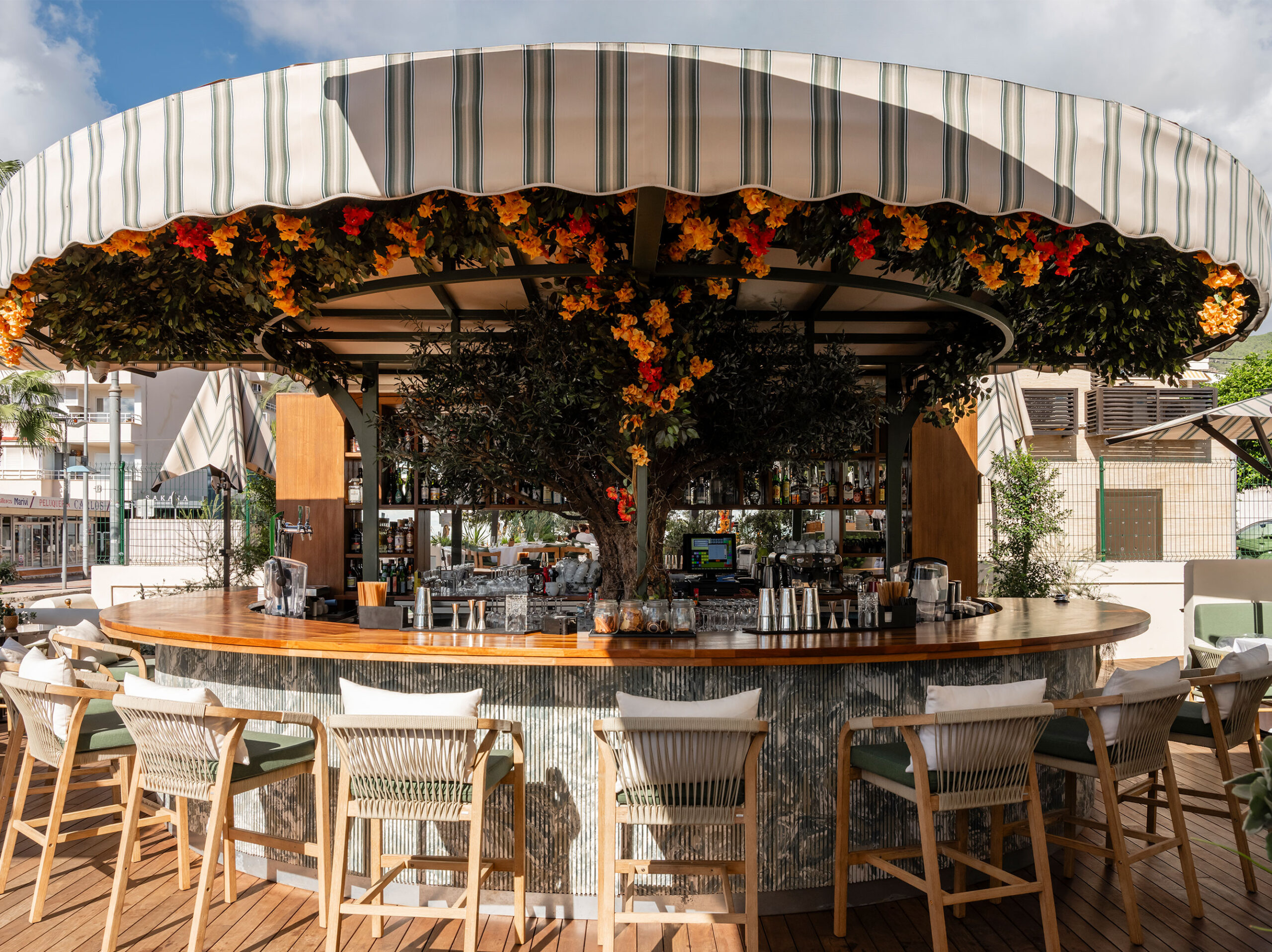
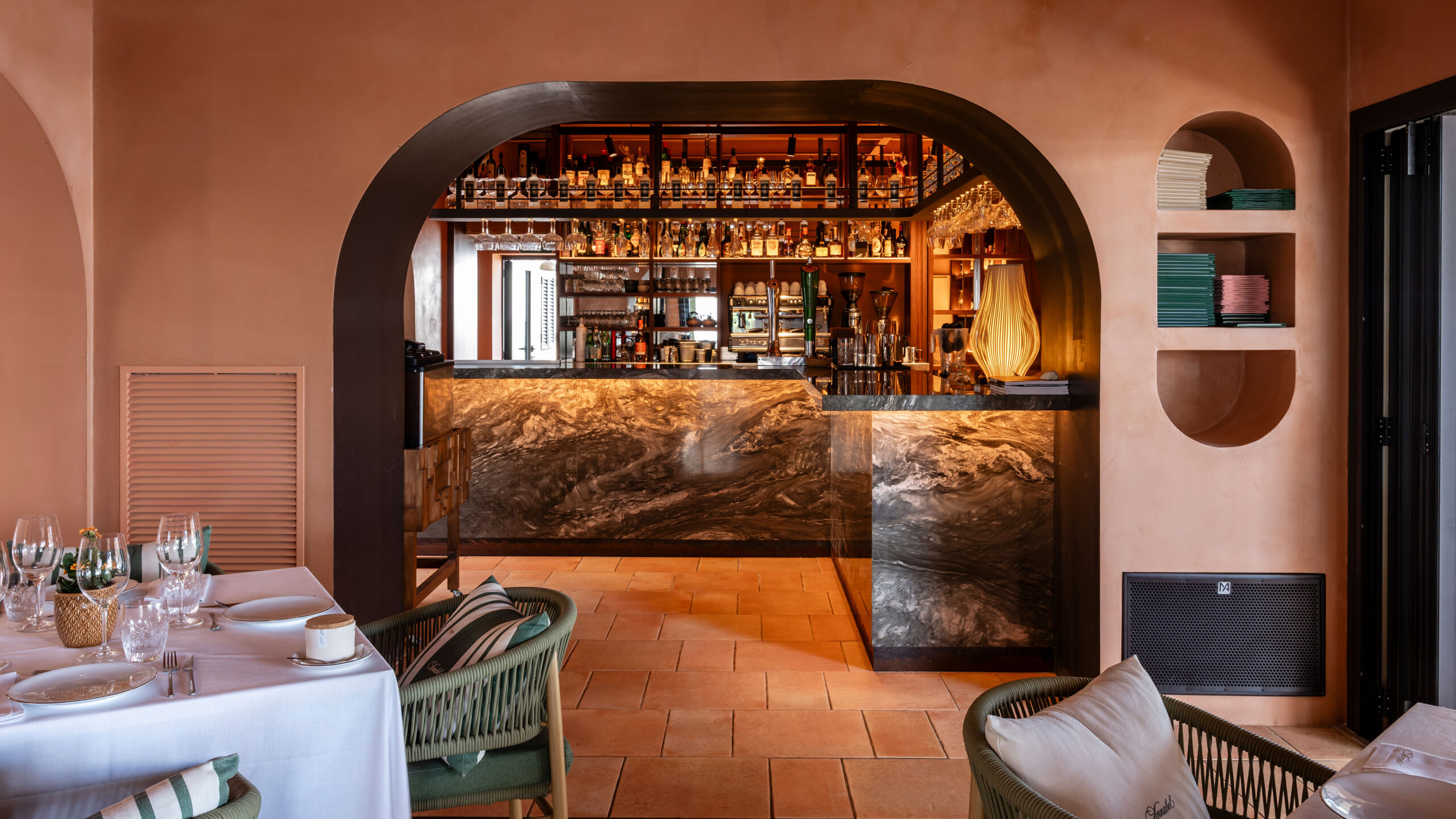
Outdoors, curved metallic elements, inspired by the original porch, help define circulation areas, entrances, and the bar. This strategy continues inside, where organic forms establish a coherent design language that aligns with the fluidity of space and Mediterranean life.
Traditional Atmosphere & Contemporary Layout
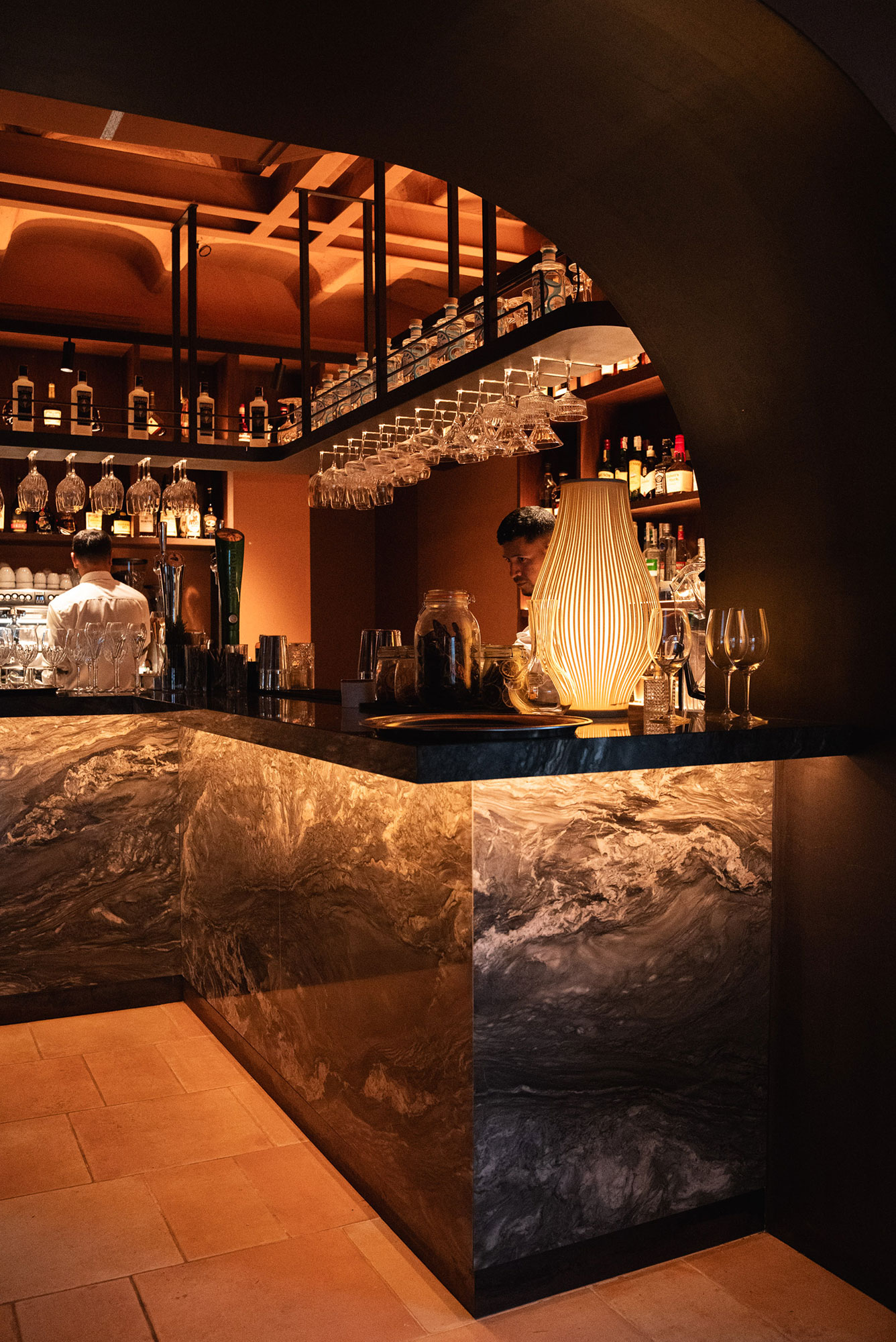
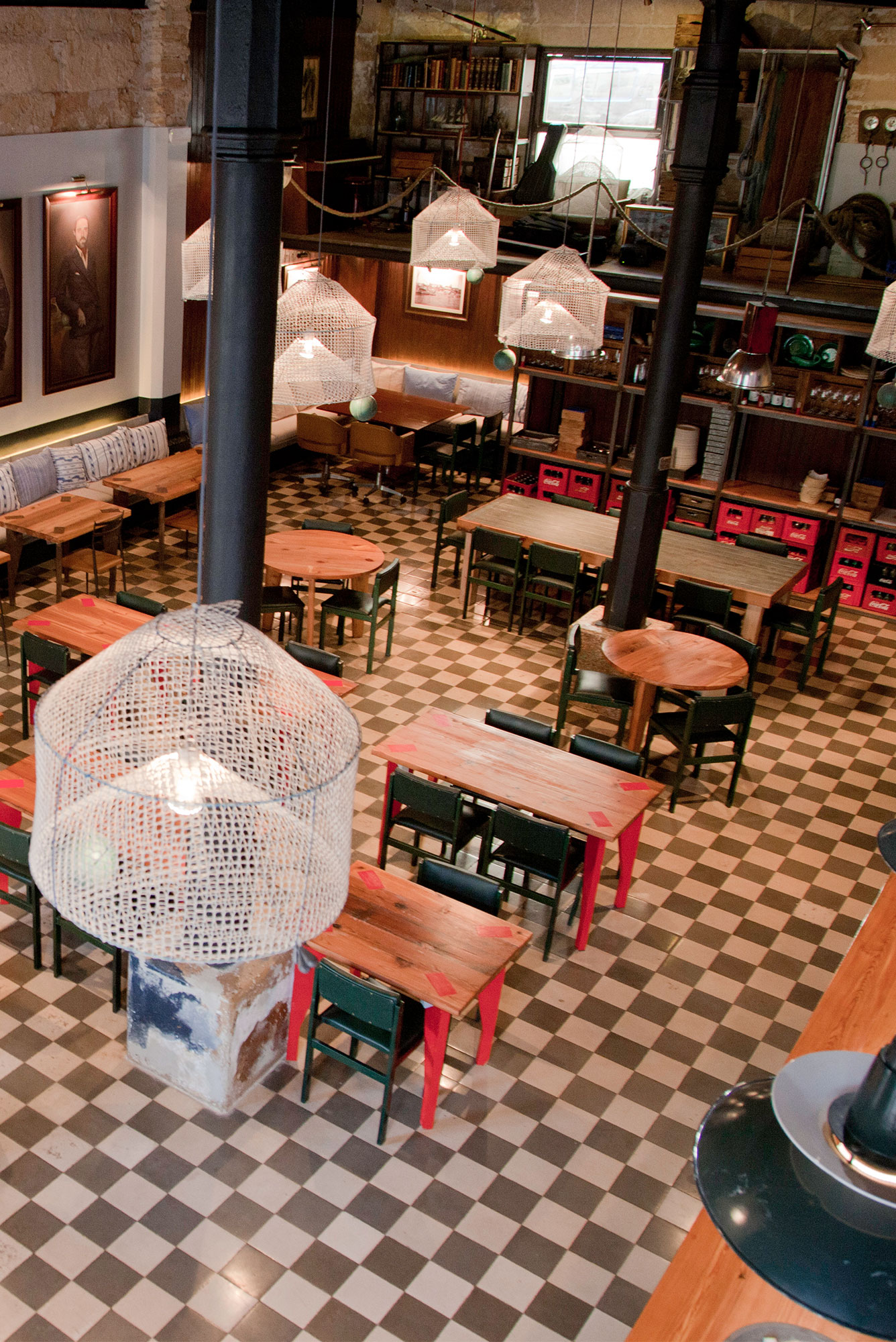
The interior is organized according to the typical layout of traditional Mallorcan houses, centered around a courtyard that serves as the restaurant’s visual and functional heart. The different areas unfold from this core: an open kitchen, live pasta and pizza cooking, the main bar and the wine cellar.
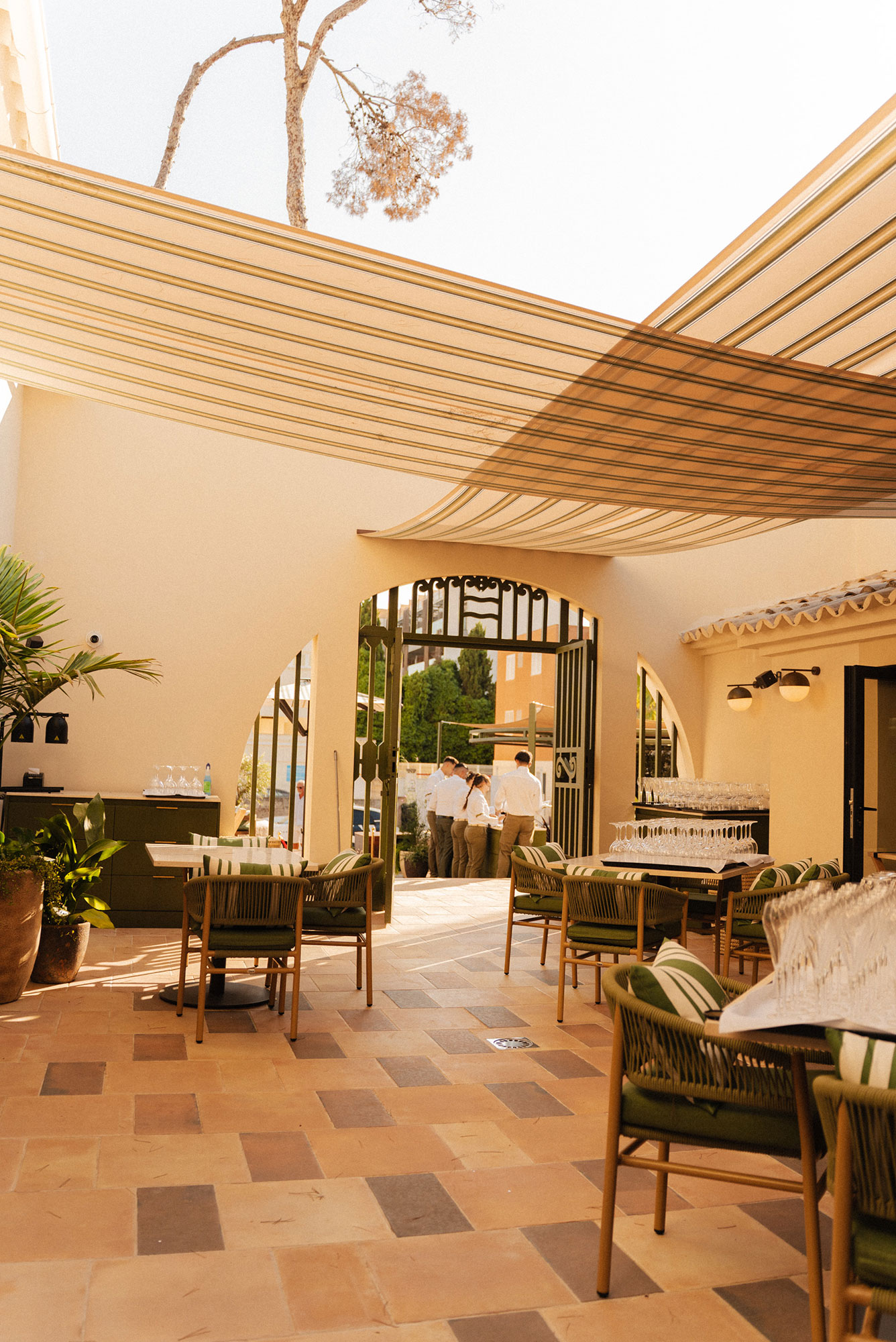
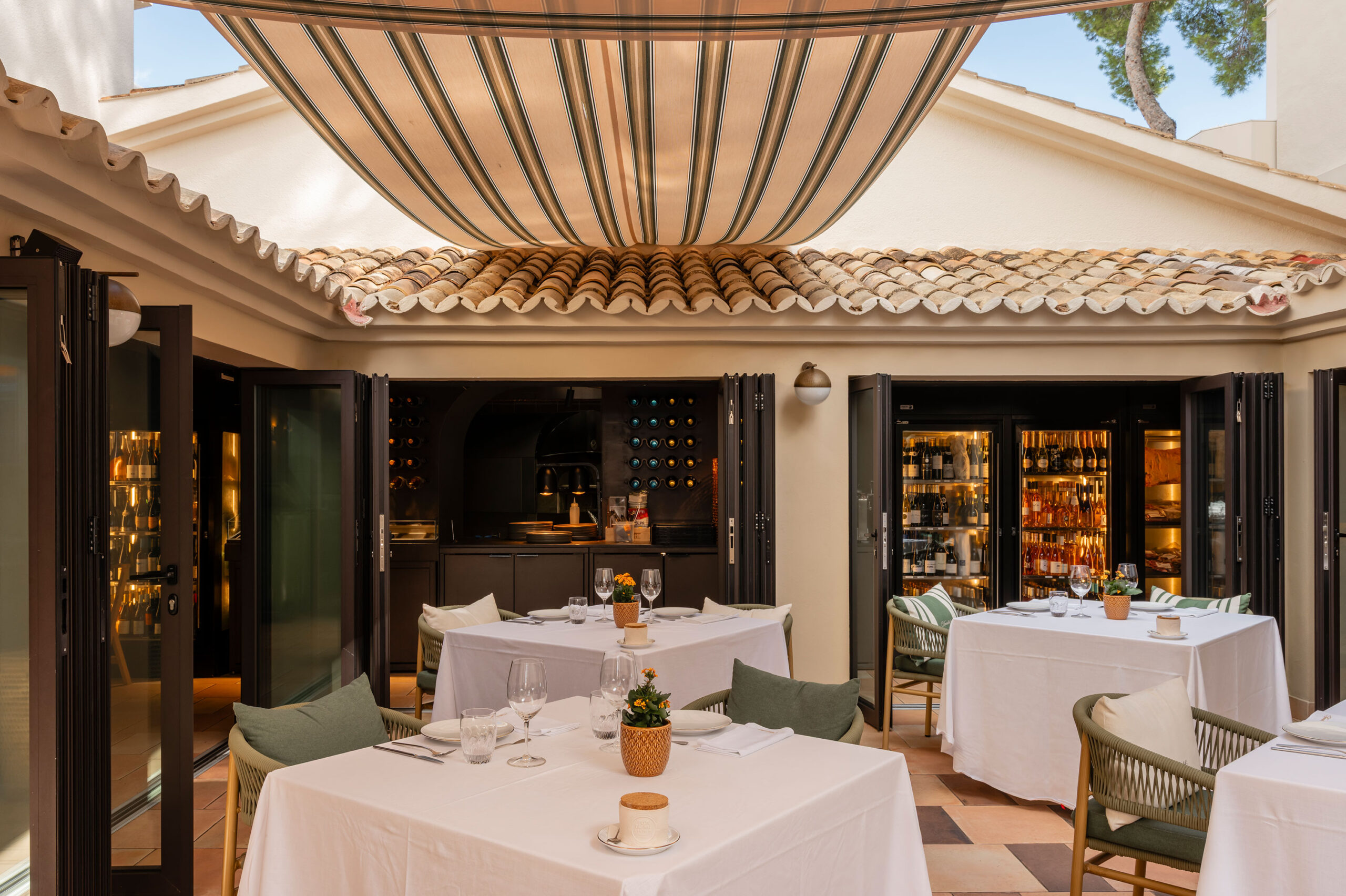
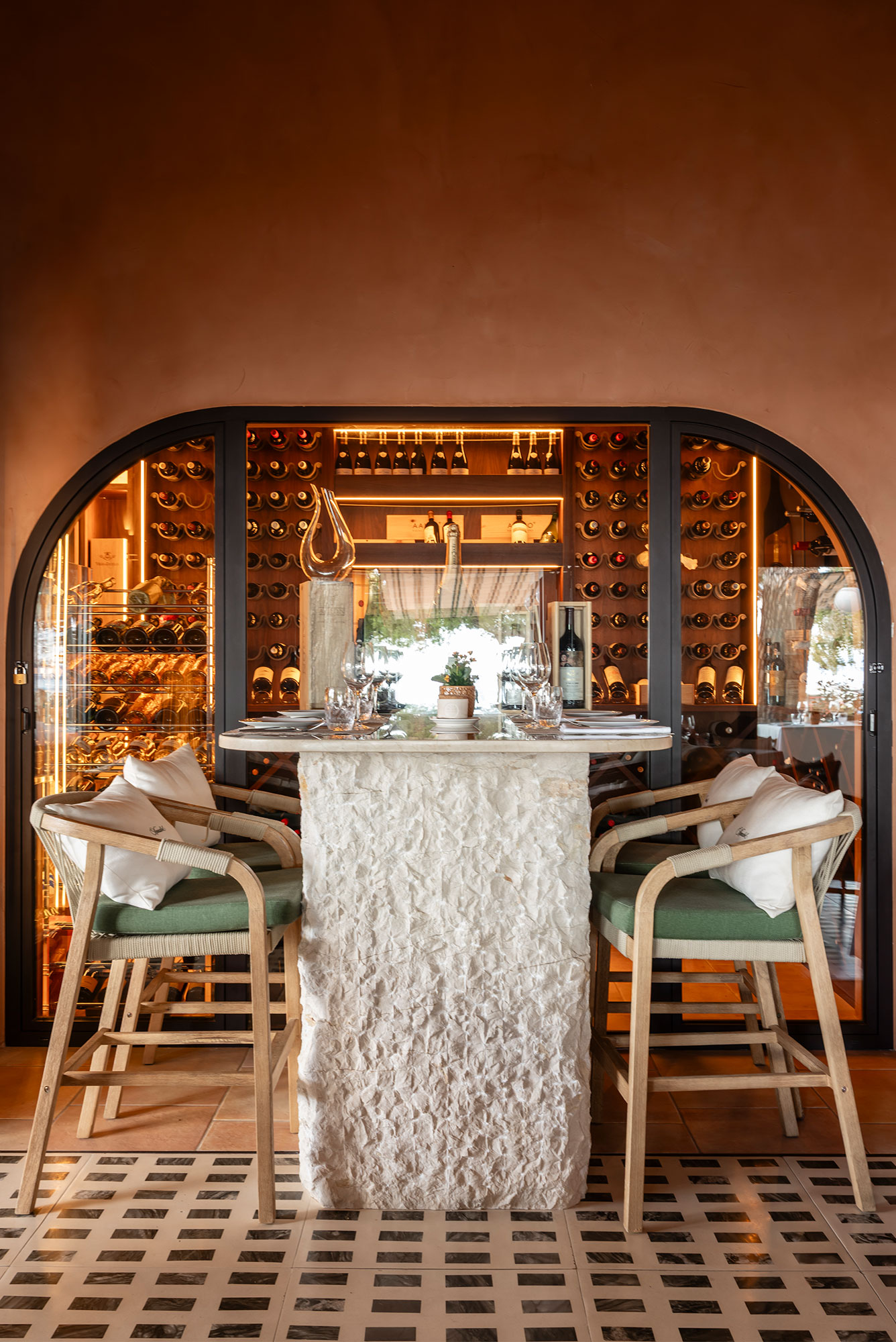
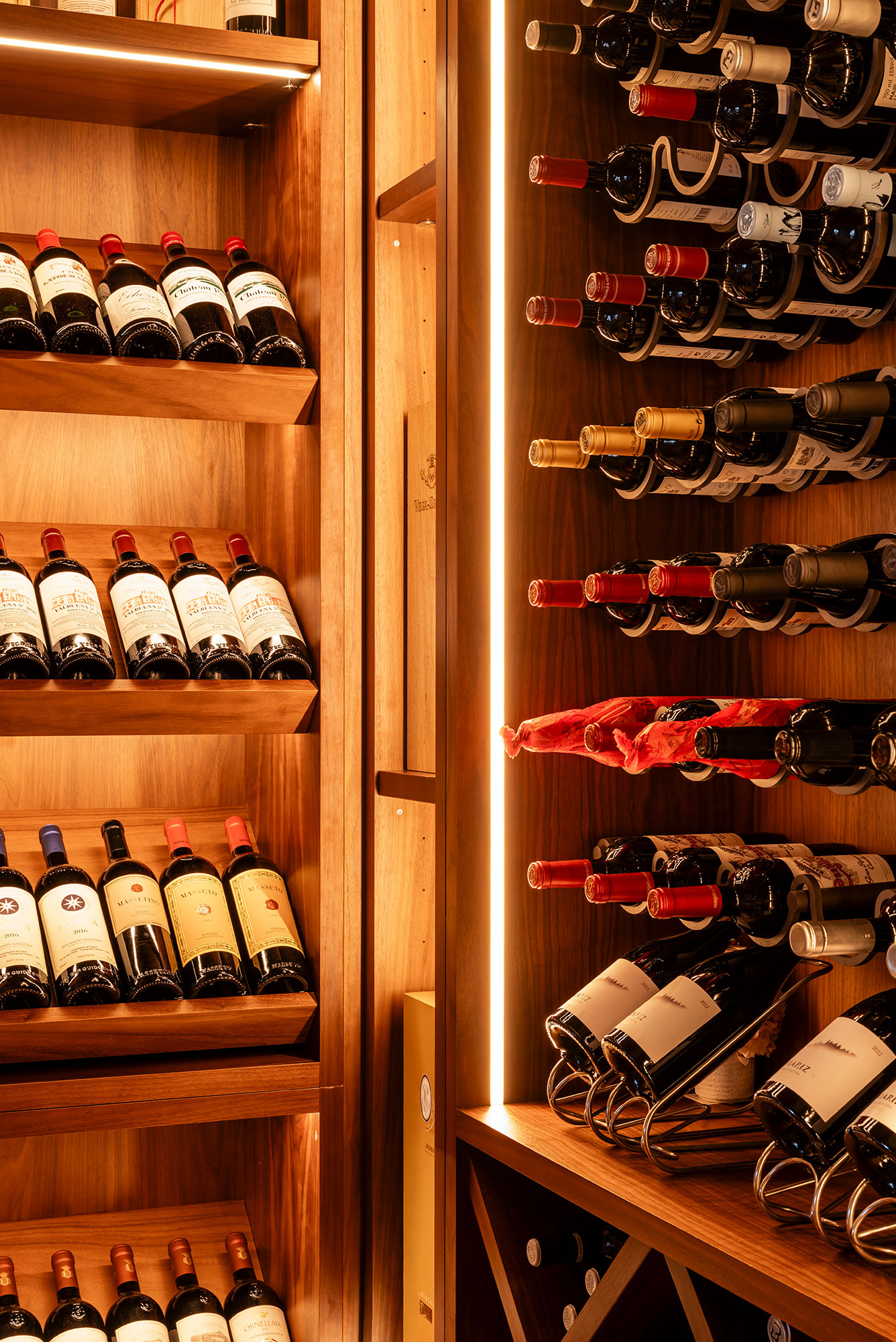
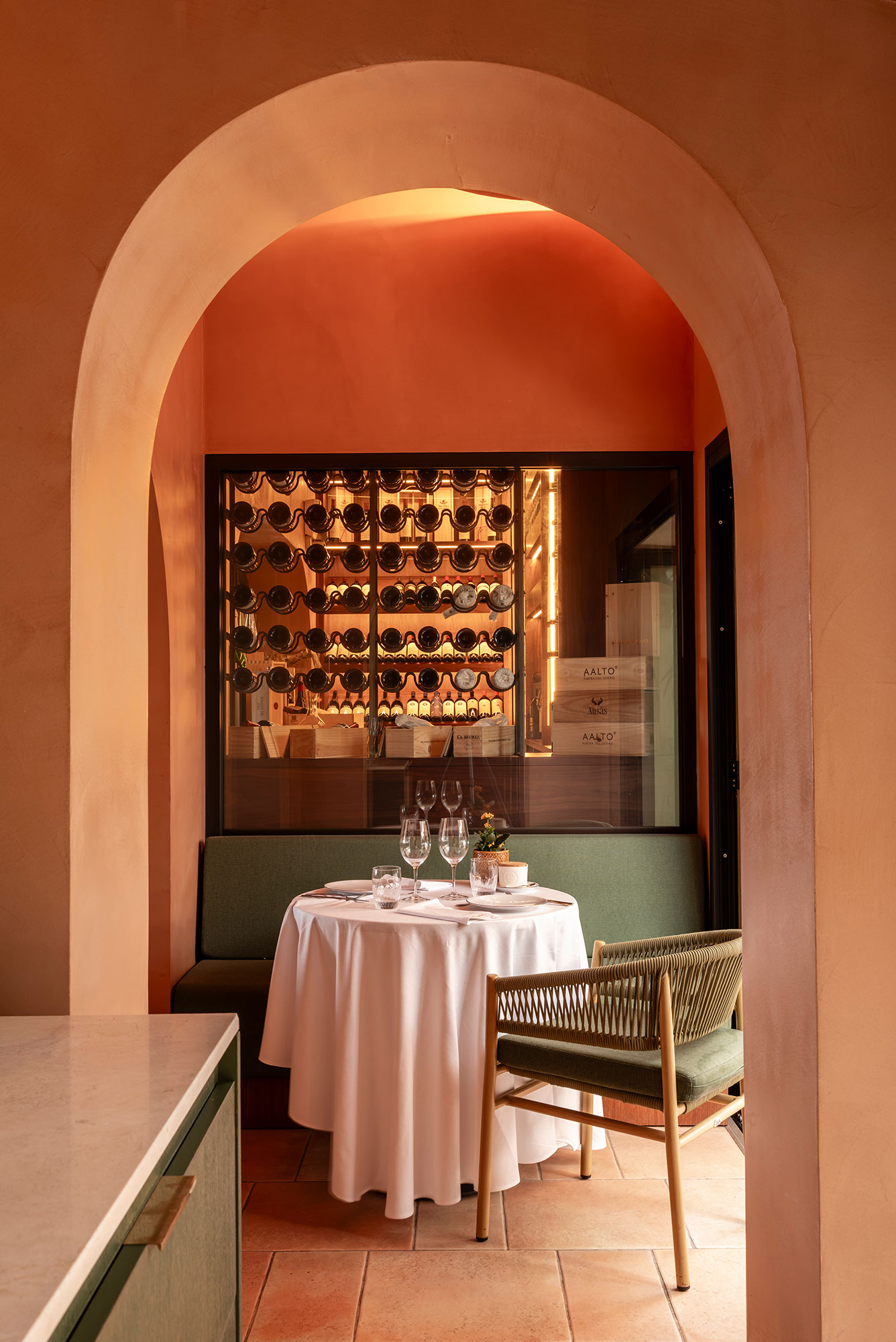
The structural marés stone walls define the building’s character and create intimate corners throughout. The wine cellar stands out as a singular space within the project, centered around a natural stone table and traditional arches, forming the most representative focal point of the main dining room.
Materiality, Atmosphere & Local Roots
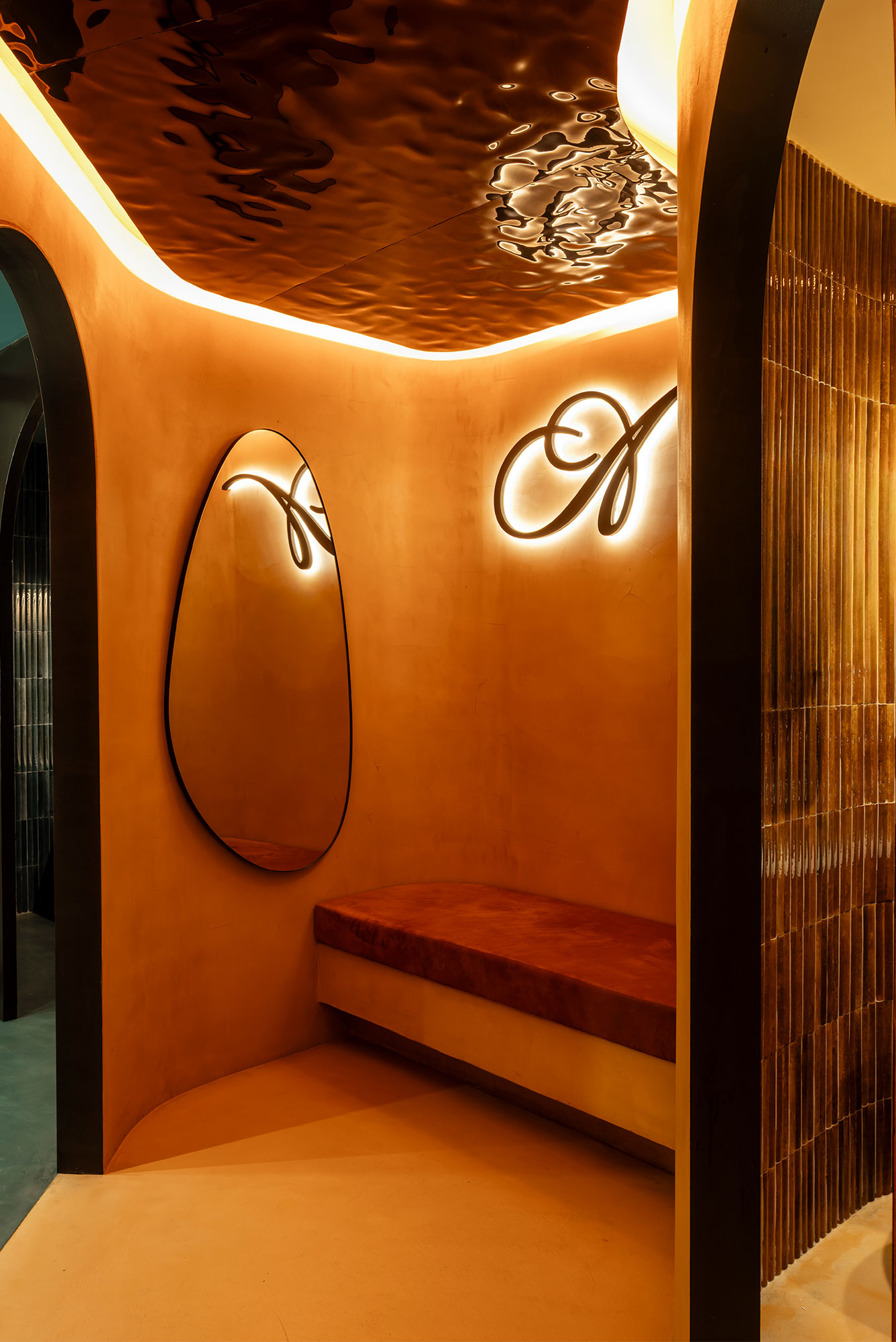
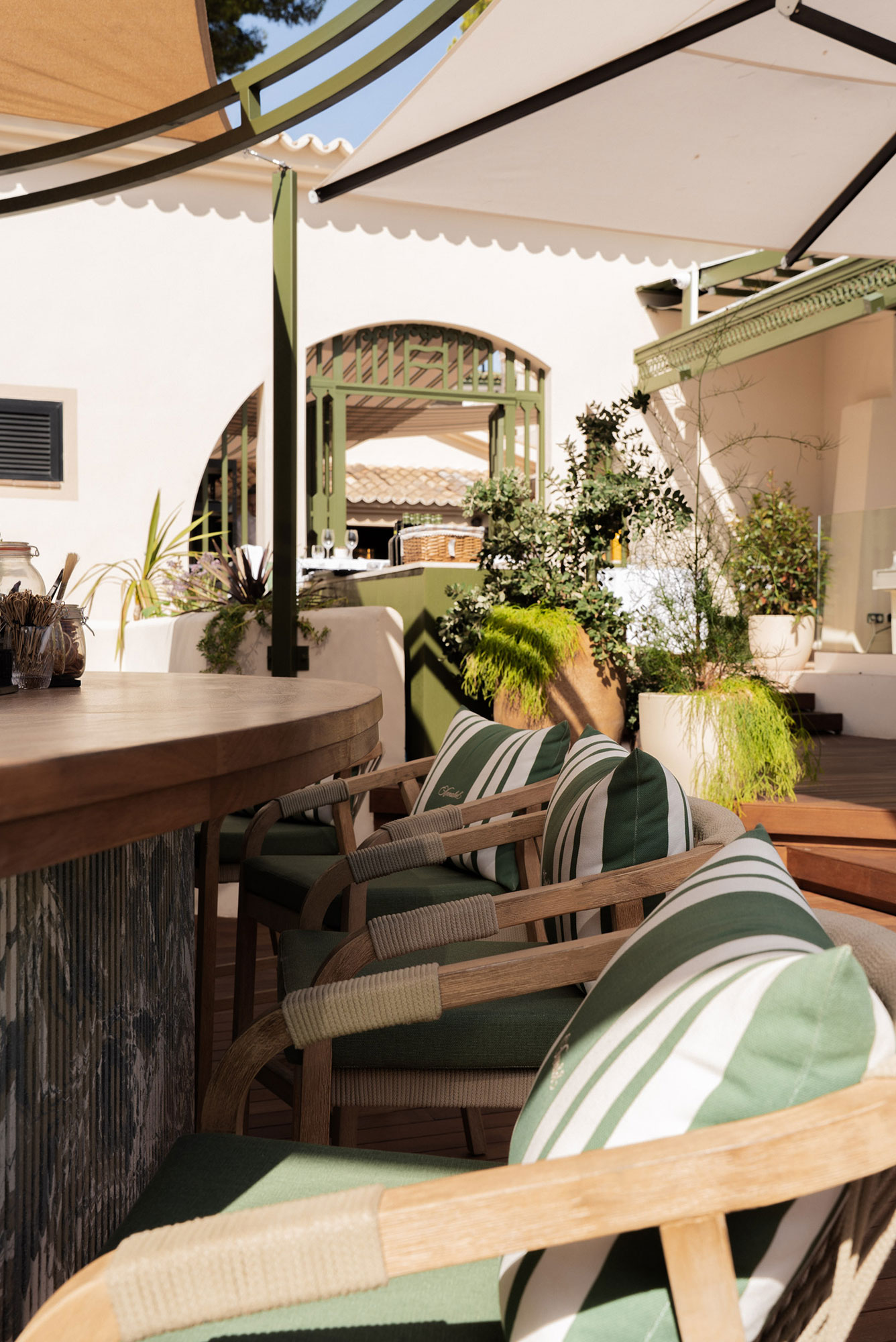
The selection of materials draws from local tradition and is reinterpreted through a contemporary lens. A warm palette of terracotta tones, olive green, natural woods, textured mortars and local stone shapes the atmosphere. In collaboration with island artisans, locally sourced materials were used whenever possible, bringing identity, sustainability and coherence to the overall design.
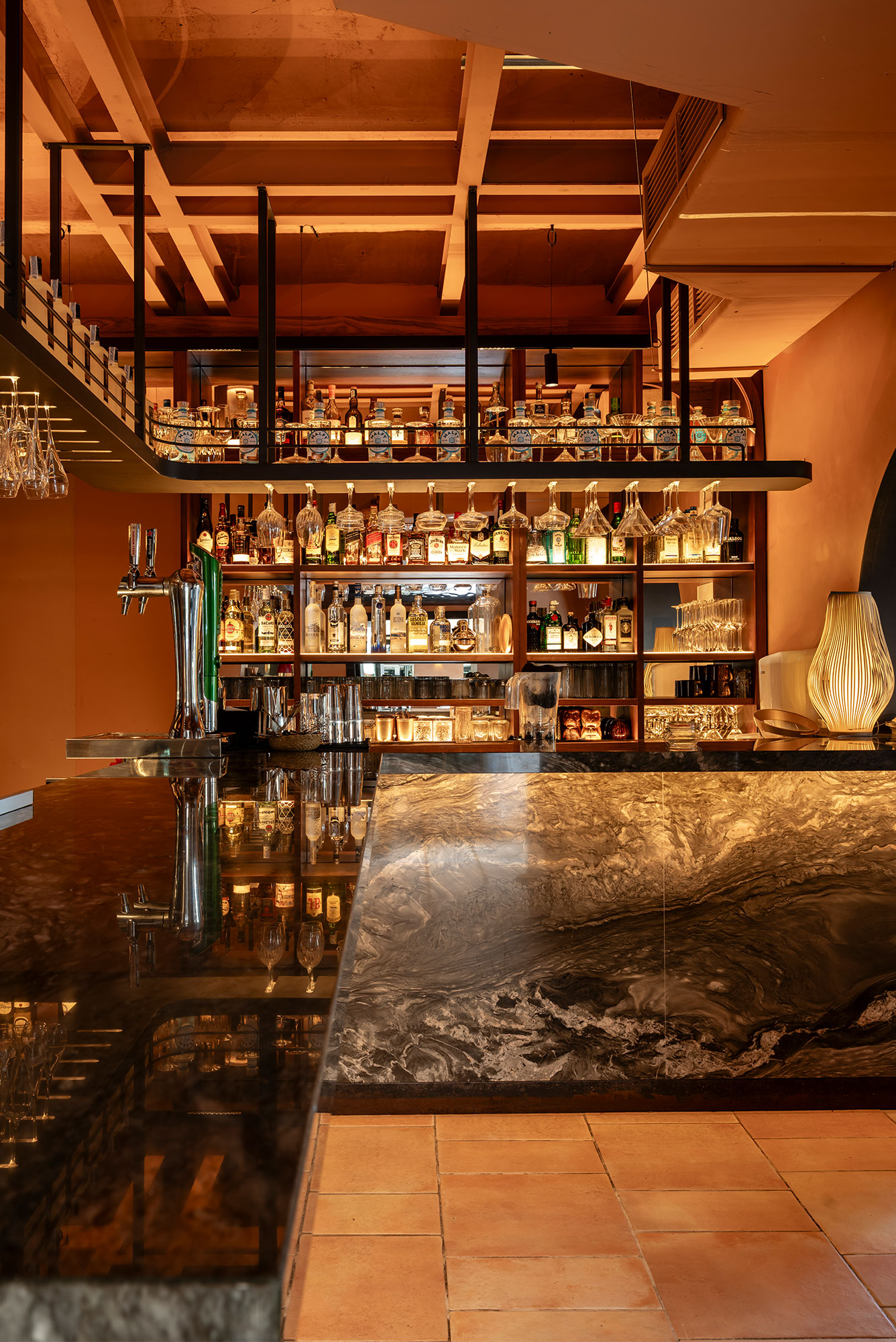
Visual depth and tactile richness are added by finishes with natural grain, texture, and relief. Soft, integrated lighting contributes to an intimate and relaxed atmosphere suitable for both day and night.
Throughout the project, special attention was given to improving energy efficiency, thermal comfort and acoustic performance through enhancements to the building envelope, joinery and building systems.